

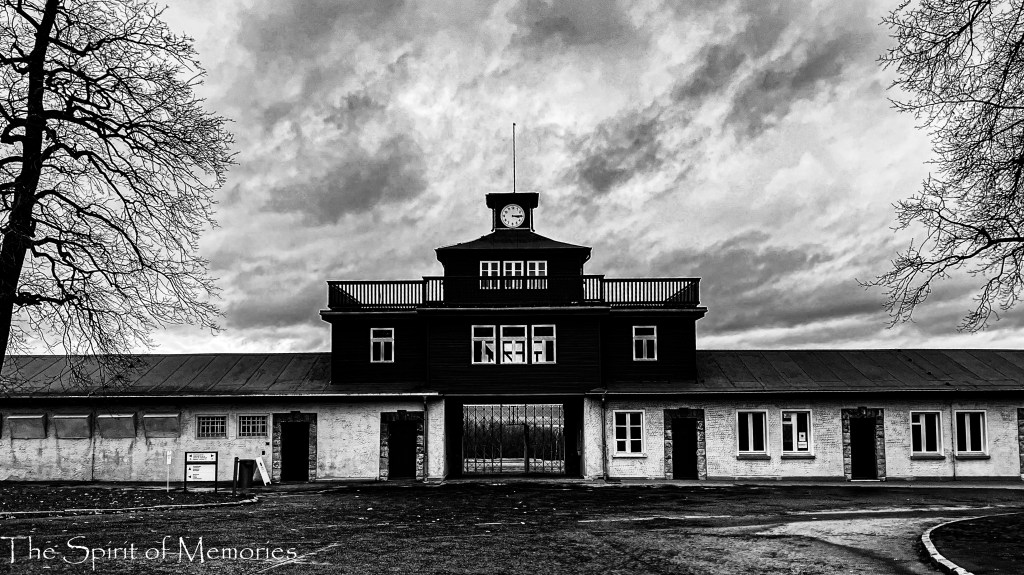
We knew before we left our desert land that we were going to a different desert on our second day in Weimar, Germany. In the warmth of our little home away from home, the boys and I lingered in relationship and mutual affection. Unaware of what our decision to visit Buchenwald would bring.
We enjoyed a slow breakfast. Our cup of delicious coffee with 30% cream filled our space with a rich aroma. All three of us became coffee snobs. We put our empty coffee cups in the sink and headed out into the clammy weather to the adventure waiting us.

Henry Libicki, a survivor who spent time at multiple camps explained in his oral history interview that “Coffee wasn’t coffee, coffee was… ‘ersatz,’ substitute. Everything was ersatz…. Coffee was made out of grain, burned grain, that was coffee. Tasted like ink, that was the best you had.” For Jews, coffee was used as a tool of oppression.
While the Nazis drank decaffeinated coffee as a means to stay healthy, Jews were given fake coffee as a means of humiliation. Thus, coffee became an illustration of power in Nazi Germany, a social construction. For Nazis it was luxury, while for Jews it was punishment. And the Nazis had the power to determine its meaning.
The Social Construction of Coffee

We took a cab and traveled the country green, rolling to a dark, jagged memorial. In twenty minutes and $50, we wandered into the main visitor’s center. The day was overcast, cold, gloomy. The weather fit with the emotion of the trip. Almost like those thousands upon thousands who died there were crying out at the injustice done to them. Echoing “Remember” for our souls to hear and our hearts to see what happens when humans harm another human. When our words, our weapons, our wanton arrogance wound another body, mind, soul.
Remember what happens when we differentiate one human from another human. When we put certain people in a “box” to “other” them. Remember what evils start with a slur towards the hated them. Remember the wickedness that grows when people are mistreated.
Remember to love your neighbor.

A lawyer wanted to test Jesus, the rebel Rabbi who taught like Emmanuel. The lawyer, the shyster of law that he was, asked about how to inherit eternal life, as though a contract signed by the great legal minds of the day could guarantee his passage to eternity. Jesus, looking into the man’s heart, asked about the law.
The Shema.
Listen.
This testy lawyer answered correctly. Listen. Love God with all you have and love your neighbor. But being a lawyer, and thinking he had a great gotcha question, he asks, “who is my neighbor?”

Paul Schneider, for whom the street we were staying in our home away from home was named, was a pastor in Germany. A pastor who read the Good Samaritan several times, preached sermons on it, and used it to give lessons to his children. Paul Schneider initially thought Adolf Hitler had some good reforms for their economically devastated country. Germany did poorly in that time between World War I and World War II. His high hopes were dashed when he witnessed what his neighbors were experiencing in Buchenwald.
So, he preached loudly and constantly and unashamedly. He preached love of God and not government. He preached love of neighbor and not oppression. He preached love of life and not cruel, maleficent death. He preached love while they beat him. He preached love while they imprisoned him with his neighbors. He preached love while the Nazi’s power grew. He preached love until they silenced him. He died in Buchenwald surrounded by evil and the ones he preached so much for, the ones he loved so much. Paul Schneider understood the law. The Shema. Listen. Love God. Love neighbors.

The lawyer, wanting to be justified thought he could choose what neighbor to be kind towards, what neighbor to love, waits for Jesus to tell his story. Jesus tells a story that in modern times might go something like this:
A government rose to power and stated that Jews, homosexuals, gypsies, mentally disabled, and political dissidents and pastors who preach against the state are rats, dregs of the earth, a burden on our society. These non-humans deserve mistreatment. Don’t shop at their stores. Don’t go to their parties. Don’t give them any charity. And the neighborhoods initially obeyed outwardly, but inwardly some stayed friends with these newly othered people.
Then a shattering like crystal fell and men were killed, women were beaten, and children left homeless. Families forced on trains to be separated into camps where they were overworked, underfed, and ignored out of polite society.

The neighbors, wanting to justify themselves, believed the powerful government. These taken away were rats on society spreading disease. They looked the other way, even when the smoke became dark and constant.
The government approved church turned a blind eye to the atrocities, but preached the love of Nazism and conformity to culture. They were bringing converts to the salvation of the Nazi state. Broken, dirty people had no place in their society.
A few men stood against the hate. The shouted against tyranny. They preached Christ’s love. They hid notes for family and friends, plotted schemes to help end the evil that flooded this country, shared stories so the dead would not have vainly died. They acted in mercy. To the point of dying for their neighbor. And many did die for their neighbor.
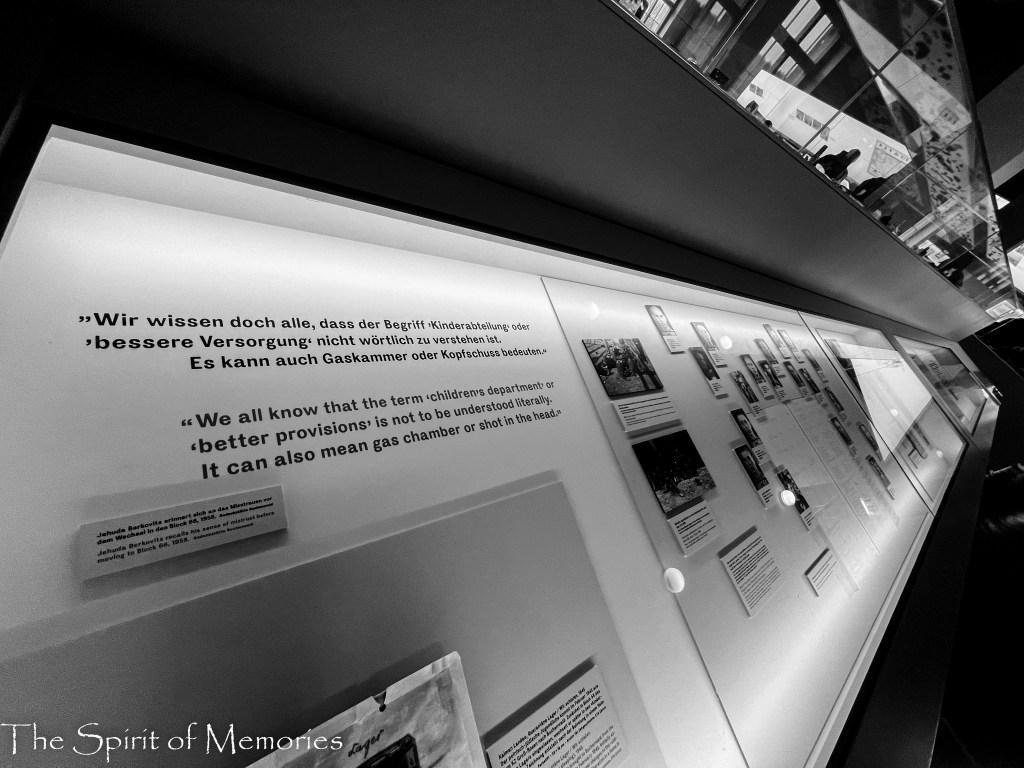
Who was the neighbor?
It was the pastor who died a bloodied death preaching love. It was the soldiers who smuggled information and notes out of the camp to help find salvation. It was fellow inmates that picked up the sick so they wouldn’t get sent to the extermination camp. It was the adult inmates that made toys for the children whose parents were separated from them. It was comrades in the barracks that played music, read poetry, and prayed with each other through the long and hopeless nights. It was the soldiers from another country who scared the governing authority away and cried when they saw the men, women, and children left alive, barely. It was those moved with compassion because of another soul and acted in mercy.
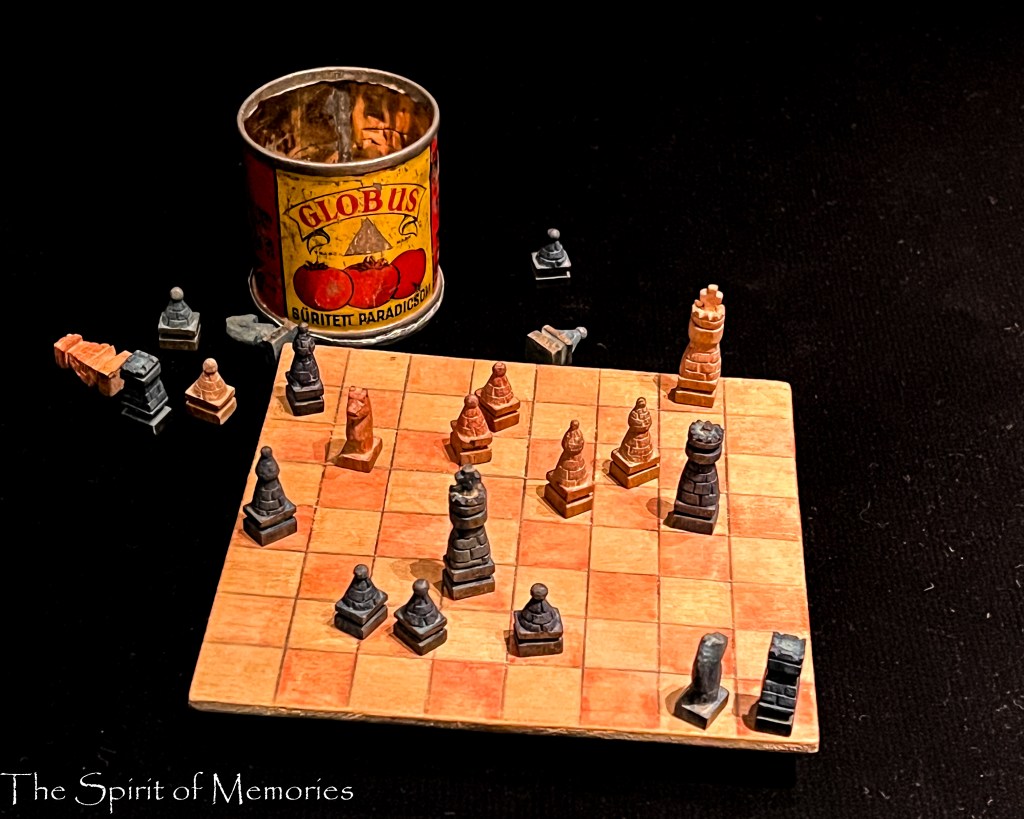
Who is your neighbor?
The political opposite who brought you food when you were sick. The weird religious person who gives you notes of hope when you were down. The obnoxious coworker who daily tells you how much they appreciate your intellect. The annoying sibling that you fought with and can’t forgive. The whatever othering box you want to put people in who are kind to you. It is the person who is moved by compassion and shows mercy to all the others they come in contact with. And it is all the others no one wants to live next to.

Thank God for a man willing to be a danger to the regime.
Who is our neighbor?
A rebel Rabbi who preached about the law and prophets in flesh and bone. A modest Messiah who lived a life of giving and healing in body and spirit. The sacred Saviour who chose to be beaten and die and lay in a grave for a time and reconciliation. The consecrated Christ who lived love and lives hope.

Who is this neighbor?
A sinful saint who chases ephemeral electromagnetic radiation and weaves words.

My boys and I wandered around, but couldn’t see all the memorials from Buchenwald. The weather too cold, the space too heavy, the time too constrained. We each felt the effect of evil in that place.
What we saw was enough to know that evil is real and can seep deep into a man and mankind. The furnaces stilled and cold now once used to get rid of their crimes. The medical facility sterile with reminders of the torture of dissidents, the testing of vaccines and medicines without consent, the killing of those not quite the superior race. The place was hallowed by the blood of those long dead.
Evil is real and can seep deep into a man and mankind.

Including various vaccines and medicines most of which killed the prisoner.
Some data were used to push the therapies on the public.
Life is nonlinear. Time and space hold the memories of the good and evil committed in which God of grace judges all humans by. This God of grace who alone could sign a contract for our life sees the mercy we have towards His image bearers. This God of grace who died to let us inherit eternal life sees all the injustice we mete out. This God of grace who lives sees the tears that are unbound by tempo and terra.
Grace permeates through all time and space.
We were quiet on the bus ride back to Weimar. That night, when we met in our little living room to drink and discuss the day, we reminisce on what we each carried heavy. And the lessons we want to share.

The evil experienced in that hellish place was only allowed to exist because the people, like that wayward lawyer, wanted to justify which neighbors were good to have and which were bad. Wanted to forget who their neighbors were. Wanted to forget compassion. Wanted to forget mercy.
Buchenwald is a place of blatant disregard of people, degrading them to rats and cockroaches. This dehumanizing was real, present, dangerous. Memorialized in the stone markers throughout the camp, the objects found after the liberation, and the air that sighs heavy for the people who lost so much.
Even within the horrors of the stilled and silent stones, we found moments of grace. Like Paul Schneider. But there were others who risked their life for the lives if those neighbors behind barbed wires. There was Grace because neighbors knew the God of HESED cares for the ones society mistreats.

Who is your neighbor?
The one you dehumanize, disregard, degrade.
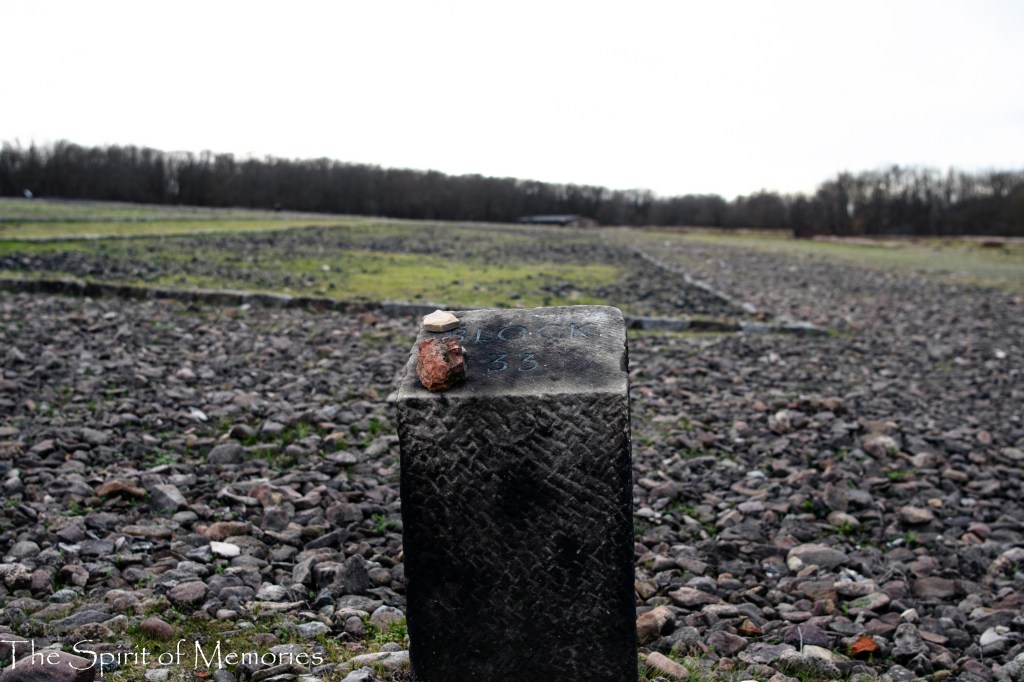
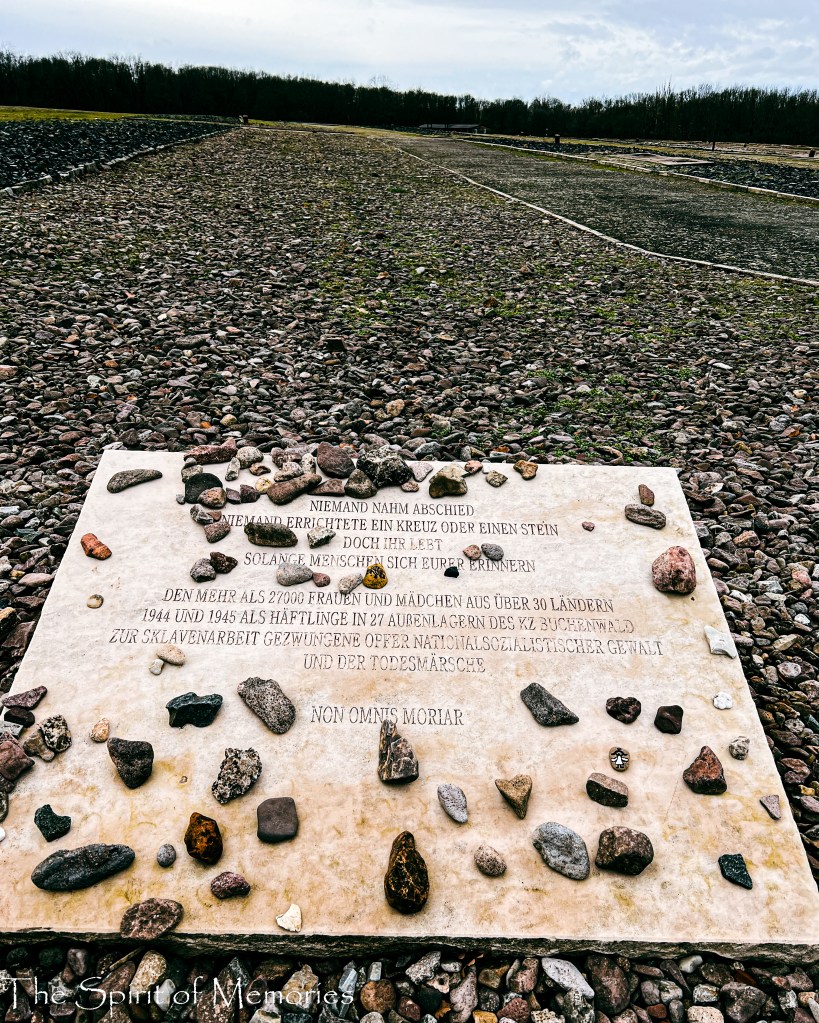
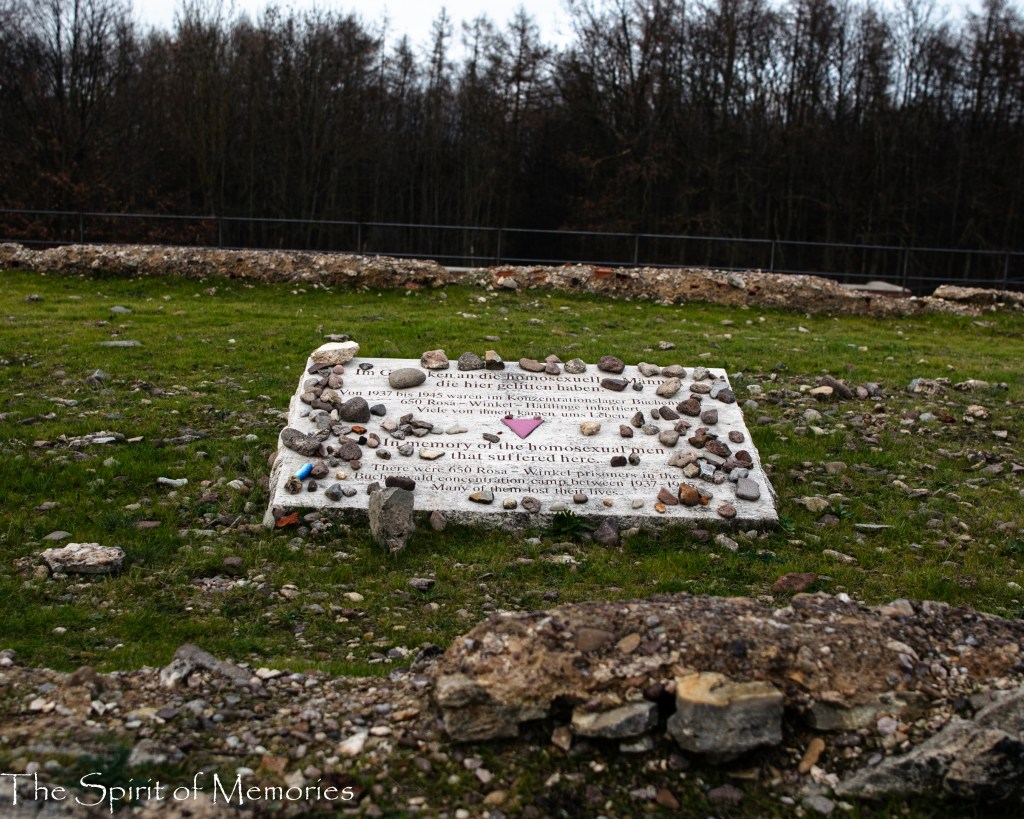
The stone commemorates who lived in these barracks. I couldn’t find who they were.
Who is your neighbor?
The one you are moved by with care, compassion, kindness.
An old book, ignored and disregarded, from the Bible has some strange ideas of a neighbor. One that we would do well to meditate on. I’ll list it simply below. I need not change these words. They are holy hard as they are.
“When you reap the harvest of your land, you are not to reap to the very edge of your field or gather the gleanings of your harvest. You must not strip your vineyard bare or gather its fallen grapes. Leave them for the poor and the foreign resident; I am Yahweh your God.
You must not steal. You must not act deceptively or lie to one another. You must not swear falsely by My name, profaning the name of your God; I am Yahweh.
You must not act unjustly when deciding a case. Do not be partial to the poor or give preference to the rich; judge your neighbor fairly. You must not go about spreading slander among your people; you must not jeopardize your neighbor’s life; I am Yahweh.
You must not harbor hatred against your brother. Rebuke your neighbor directly, and you will not incur guilt because of him. Do not take revenge or bear a grudge against members of your community, but love your neighbor as yourself; I am Yahweh.
…
When a foreigner lives with you in your land, you must not oppress him. You must regard the foreigner who lives with you as the native-born among you. You are to love him as yourself, for you were foreigners in the land of Egypt; I am Yahweh your God.”
Leviticus 19: 9 – 19, 33 & 34 (emphasis mine)
Who is a neighbor?
The Jew walking from Jerusalem to Jericho and a Samaritan who happened by and was moved by compassion. And showed his enemy mercy.
“Just then an expert in the law stood up to test Him (Jesus), saying, ‘Teacher, what must I do to inherit eternal life?’
‘What is written in the law?’ He asked him, ‘How do you read it?’
He answered:
Love the LORD your God with all your heart, with all your soul, with all your strength, and with all your mind; and (love) your neighbor as yourself.
‘You’ve answered correctly,’ He (Jesus) told him. ‘Do this and you will live.’
But wanting to justify himself, he asked Jesus, ‘And who is my neighbor?’
Jesus took up the question and said:
A man was going down from Jerusalem to Jericho and fell into the hands of robbers. They stripped him, beat him up, and fled, leaving him half dead. A priest happened to be going down that road. When he saw him, he passed by on the other side. In the same way, a Levite, when he arrived at the place and saw him, passed by on the other side. But a Samaritan on his journey came up to him, and when he saw the man, he had compassion. He went over to him and bandaged his wounds, pouring on olive oil and wine. Then he put him on his own animal, brought him to an inn, and took care of him. The next day he took out two denarii, gave them to the innkeeper, and said, ‘Take care of him. When I come back I’ll reimburse you for whatever extra you spend.’
‘Which of these three do you think proved to be a neighbor to the man who fell into the hands of the robbers?’
‘The one who showed mercy to him,’ he said.
Then Jesus told him, ‘Go and do the same.’ ”
Luke 10: 25 – 37
 The Spirit Of Memories, Ltd Co